The Alumalite Advisor
What Goes Into the Cost of Glass Replacement in the Northern Rivers
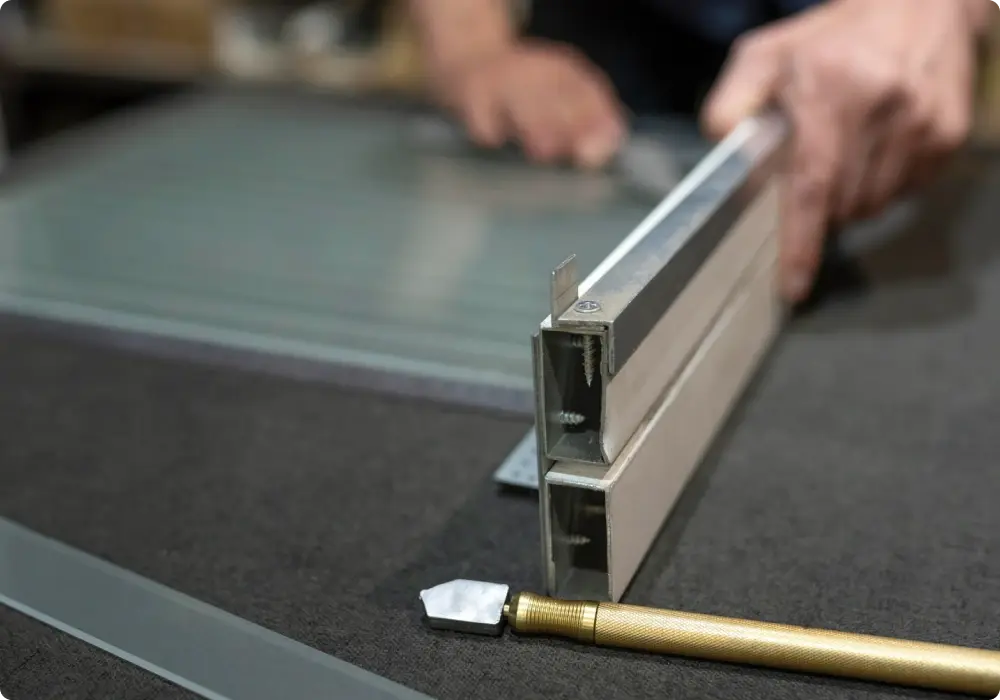
A cracked pane has a way of announcing itself at the worst time. A door slams in a southerly, a stray cricket ball finds the lounge room window, or you notice one morning that a fine line has crept across the glass in the back slider. Then you search “glass replacement cost” and find a spread of numbers so wide it tells you almost nothing.
There’s a reason for that spread. Glass replacement isn’t one product, it’s dozens, and the price for the same-sized opening can vary by a factor of three or more depending on what has to go back into it. We’ve been making and glazing aluminium windows and doors at our Ballina factory since 1971, so we’ve quoted just about every version of this job from Lennox Head to Lismore. Here’s what actually moves the number, and how to work out whether you need a new pane, a small repair, or something more.
Why quotes for the same window can be so different
The glass itself is the biggest variable. A few of the common types, roughly in order of cost:
- Float glass is the standard clear glass in most older windows. It’s the cheapest option, but there are plenty of places it’s no longer legal to use, which we’ll get to below.
- Patterned (obscure) glass is the textured glass you see in bathrooms and older homes. The glass isn’t expensive, but matching a discontinued pattern from the 1970s can take some hunting.
- Toughened glass is heat-treated so it’s several times stronger than float, and it breaks into small blunt pieces rather than shards. It has to be cut to size first and then toughened, because you can’t cut it afterwards. That makes it a made-to-order product, which affects both price and lead time.
- Laminated glass is two sheets bonded to a plastic interlayer. When it breaks, it stays in one piece. It’s the go-to for doors and low glazing, and it also cuts most UV coming through.
- Low-E glass carries a coating that reflects heat, so rooms stay cooler in summer and warmer in winter. It costs more per square metre but earns its keep on west-facing glass.
- Acoustic glass uses a thicker laminate to dull traffic and neighbourhood noise. It’s heavier and dearer, and worth discussing if you’re near a main road.
On top of type, there’s thickness. Bigger panes need thicker glass to handle wind loading, so a large pane costs more than its area alone would suggest.
Safety glass isn’t optional in some spots
Australian Standard AS 1288 sets out where Grade A safety glass (toughened or laminated) must be used: glazed doors, panels beside doors that could be mistaken for a doorway, low-level glazing, bathrooms and other wet areas, and shower screens. If your home was glazed forty years ago with ordinary float glass in a door, we can’t legally put float glass back in. The replacement has to meet the current standard, and that’s often why a quote comes in higher than the homeowner expected. It’s not padding, it’s the rules, and they exist because a person falling through float glass is a very different outcome to a person bouncing off laminate.
Wet areas have their own quirks, particularly showers. If yours is showing its age, our shower screens guide covers the options, including the Pivotech range we supply through our shower screens page.
Size, access and the state of the frame
Two identical panes can still cost different amounts to replace because of everything around the glass. A ground-floor window with clear access is a straightforward job. A second-storey pane above a garden bed, a window behind a built-in bench, or a slider down a tight side path all take more time and more hands, especially with heavy laminated or acoustic glass.
Frame condition matters too. Glazing rubbers go hard in coastal sun, beads corrode, and a frame that’s been flexing around a cracked pane may have gone slightly out of square. Sometimes the honest quote includes new rubbers or a bead, because new glass in a tired frame is a leak waiting to happen. In our coastal aluminium windows article we go into why frames near the beach age the way they do.
Why a cracked pane can’t wait in coastal weather
A crack rarely stays put here. Northern Rivers weather swings between hot sun, salt-laden wind and heavy rain, and every temperature change or gust flexes the pane and walks the crack a little further. Meanwhile, moisture finds its way past the broken seal into the frame and sometimes the wall cavity, where it quietly starts corrosion and rot you won’t see until much later. A cracked pane is also an easy entry point, and some insurers take a dim view of damage you knew about and left. Fixing it promptly is nearly always the cheaper path.
When the glass isn’t really the problem
A good share of the calls we get about “broken windows” turn out to be nothing of the sort. The glass is fine; it’s the sliding door grinding on worn rollers, a window that won’t lock because the track is chewed out, or draughts and rattles from perished seals. Replacing the whole unit for that would be a waste of money.
We stock spare parts at the factory, including rollers, tracks, seals and handles, and we do repairs in-house. If the frame is sound, a service like that can add years to a window or door for a fraction of replacement cost. If the frame itself is corroded, bent or leaking, that’s when we’d talk honestly about new windows or doors instead, and while the sash is out it’s also a sensible time to think about security screens, which we compare in our security mesh guide.
DIY, supply-only, or full service
Handy owners sometimes ask whether they can fit glass themselves. For a small float or patterned pane in a timber-framed shed window, plenty of people do. For anything covered by the safety glass rules, or anything large, we’d say leave the fitting to someone who does it daily. Toughened glass can’t be trimmed on site, laminated panels are heavy and unforgiving, and a pane that isn’t seated properly will leak or crack again.
Supply-only remains a flexible option for customers who prefer to arrange their own fitting. We can measure or work from your sizes, cut and supply the right glass to the right standard, and you or your builder can complete the installation. Builders and owner-builders use us this way regularly, partly because the factory opens at 6am on weekdays, so materials can be picked up before the day’s work starts. If you prefer a complete service, our team can also provide professional installation for residential projects and commercial work.
How our measure and quote works
Quotes are free and there’s no obligation. For a simple broken pane, a photo and rough measurements over the phone will usually get you a solid ballpark; call us on (02) 6686 3160. If the sash lifts out easily, you’re welcome to bring it in and we’ll often turn it around quickly. For anything involving safety glass, odd sizes or questionable frames, we’ll confirm measurements properly so the quote you get is the price you pay.
We’re a family-owned business serving Ballina, Byron Bay, Lismore, Lennox Head, Alstonville, Bangalow and the wider Northern Rivers. If you’d rather talk it through in person, call in to the showroom at 5-9 Hogan Street, Ballina, bring your photos or your broken sash, and we’ll give you a straight answer on the best way to fix it. Or start with a free quote through our contact page and we’ll take it from there.